
 Essential Takeaways
- AV production insurance should be customized to each company, especially for event-based tasks.
- Equipment floaters/inland marine, general liability, errors & omissions, commercial auto, and workers’ compensation are the primary types of insurance protection to pursue.
- Audio-visual production insurance may include gaps, such as between rented and owned equipment or between hired and 1099 employees, if you do not customize your policy.
Event-based AV companies encounter risks from numerous directions at once, including high-value equipment, third-party liability, client contracts, employee safety, and more. The right audiovisual production insurance program can mitigate the financial risk of such events, but production insurance should not be a single policy. Rather, it is a carefully structured combination of coverages that should be customized to your particular situation.
AV rental company insurance can address risks from multiple angles. Some of the most essential inclusions are equipment floaters, inland marine coverage, general liability, errors and omissions, commercial auto, and workers’ compensation.
Essential AV Production Insurance Checklist for Event Pros
While event AV production insurance requirements should vary based on your specific risk profile relative to other companies, the best portfolios typically have some common elements. If you are unsure where to start for your production insurance, be sure to include:
Equipment Floaters
AV equipment insurance coverage is one of the most commonly used types of protection, and for good reason. Your company will be moving AV equipment from site to site, and equipment floaters provide coverage for your tools during transit. Without this type of equipment coverage, you could be responsible for repairs or replacement if your possessions are damaged or stolen. Even with basic equipment protection, it may only apply in certain locations.
Inland Marine
Inland marine insurance for audiovisual companies helps protect the equipment and other possessions you bring to every event. Think of it as the broader umbrella under which equipment floaters exist. Inland marine addresses the risk to your items during transit. Equipment floaters are made for specific items.
General Liability
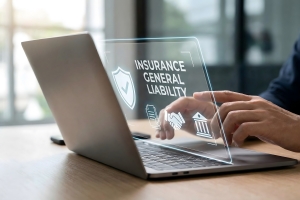 One of the most non-negotiable types of insurance for an AV company is general liability. In fact, most venues will not let you operate at their location without it. General liability insurance offers financial protection against third-party harm or property damage. For AV companies using lighting rigs, speaker systems, and other tools that can easily scrape ceilings or damage walls and flooring, general liability is a must. It also addresses potential guest injuries from tripping over cords or other hazards.
E&O
When looking for errors & omissions insurance, an AV company should keep in mind that legal claims can happen even if they are not in the wrong. E&O coverage addresses the financial harm that arises when someone takes legal action against your company or when you make mistakes, such as accidental copyright infringement or plagiarism. Legal fees are the most common costs covered by E&O.
Commercial Auto
As you transport your gear from one site to another, your vehicle is at risk of damage. Commercial auto insurance coverage can mitigate the financial impact of accidents and vehicle damage.
Workers’ Compensation
You count on your AV crew to get the job done, but if one of them is injured while working, you are typically responsible for paying their medical bills and rehabilitation costs. Workers’ compensation insurance specifically bridges this gap.
Most Common Gaps in Protection (and How To Avoid Them)
A/V company insurance coverage is a broad-spectrum solution, but it does not necessarily cover every eventuality. Consider options such as business interruption insurance, which can help to address losses (e.g., rental fees for niche equipment) should the event be delayed. Be sure to check whether your equipment insurance applies to rented equipment or only to owned gear.
Additionally, if you are using independent contractors as part of your team, verify how your workers’ compensation coverage treats them versus in-house employees. They may require additional protection, or they may not be covered by other parts of your insurance (e.g., equipment operated by a contractor might not be protected).
Get an Event-Ready Insurance Strategy Before Your Next Job
 Choosing a well-rounded commercial AV insurance program is the best way to protect your events financially. Without strong coverage tuned to your specific needs, you could find unexpected gaps in protection too late. MFE Insurance’s audio visual production insurance helps event production companies build a complete, event-ready insurance program that keeps them protected on every job. Contact MFE Insurance to get started on a customized blend of AV insurance policies.