
 Essential Takeaways:
- The insurance coverage you need for an event will vary depending on the venue type and the event details.
- Liability insurance requirements for weddings and licensed venues often incorporate liquor specifics, while corporate functions and public festivals rely on rental equipment protection.
- Working with insurance professionals gives you access to years of industry knowledge, helping you anticipate problems before they arise.
For event organizers, planners, and hosts, understanding insurance coverage is one of the most important elements of the job. This is especially true when selecting liability insurance, and many teams are surprised to find that their general liability policy does not cover many of the most common problems that arise during events. Event liability insurance should be a carefully considered part of your portfolio, which means understanding what it covers.
However, not all event liability insurance requirements are the same. Your protections for a wedding might differ greatly from those of an outdoor concert. To help you make the right decision, here is a guide covering why insurance needs change, which requirements for coverage you can expect, and which types of events are most likely to demand customized protection.
Why Do Coverage Needs Change Depending on the Event?
Event insurance is a product made for flexibility, but the event or venue will dictate the specifics. Based on the type of event being hosted and the venue where it takes place, the most common elements that will impact your insurance choice are coverage minimums, named insureds, and coverage for specific situations.
For example, an event held at a private estate may need protection customized to the one-of-a-kind valuables that could be damaged there. At the same time, an outdoor music festival could require interruption coverage to account for weather delays and other unpredictable factors.
Event liability insurance for weddings and corporate events should thus be chosen differently from that of fundraisers, sporting events, and other gatherings. If you are not sure what to look for, working with an industry professional is the smart choice.
Event Liability Insurance Requirements by Event Type and Venue
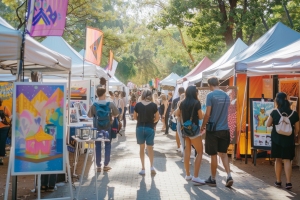 If this is your first time considering the finer details of an event liability insurance policy, you might not be sure what to look for. Each venue might have particular contractual insurance requirements, often based on past accidents or challenges. Taken seriously, they can provide valuable insight into the problems your team should prepare for.
What venue contracts typically require depends on location, type, size, and numerous other factors. Most commonly, venue insurance requirements for events should include:
- Weddings – Prepare for the potential for intoxicated guests. Venues often require a minimum property protection amount, as lighting and staging can damage walls and ceilings.
- Corporate gatherings – These commonly rely on rental equipment, which can add a new dimension of liability that your existing policies may not cover (as they only cover owned equipment).
- Public festivals – Bodily injury and property damage are especially notable risks.
- Private estates – As noted previously, private estates are filled with personal items, often of great or irreplaceable value, such as antiques and family heirlooms. While these estates are available to the public, the items are often part of their appeal, and such venues commonly require extensive property protection.
- Outdoor parks – Outdoor event liability insurance coverage must follow the location’s permitting requirements, and a permit typically will not be granted before you can demonstrate minimum levels of liability, property, and/or personal injury coverage due to uneven terrain, weather risks, and more.
- Licensed venues – Liquor liability coverage remains central for licensed venues, which also frequently require minimum liability protections.
When you choose a venue, event liability insurance based on that venue’s specifics should be your next step.
Why You Should Work With Professionals
You may be able to browse event liability insurance on your own, but if you choose to secure a policy by yourself, you might find that your coverage lets you down when you need it the most. Working with an event insurance specialist establishes that the right policy is in place before the first guest arrives.
One of the most significant advantages of working with the pros is their industry knowledge, gained over many years. They are more likely to correctly predict potential issues with an event or venue that you might have overlooked because they have seen it all before. This provides you with a knowledgeable resource to leverage when planning your event (and avoiding common mistakes).
 Another advantage of relying on professionals is their deep knowledge of insurance. Did you know that the property damage protection offered in your general liability insurance policy might include many types of damage to event venues? Most people do not, and they find out too late. A professional can identify what your policy does (and does not) cover so that you can select riders and additional protection where necessary to secure your event.
Get the Right Insurance Coverage for Your Next Event
Are you ready to secure special event insurance coverage that actually works for you? The professionals at MFE Insurance have helped organizers secure a customized blend of coverage for many years. Contact MFE Insurance for event liability insurance that protects you against your biggest risks, personalized to your venue type and event.